Selling Isn't Telling: Why Great Sales Calls Are Behavioural, Not Scripted
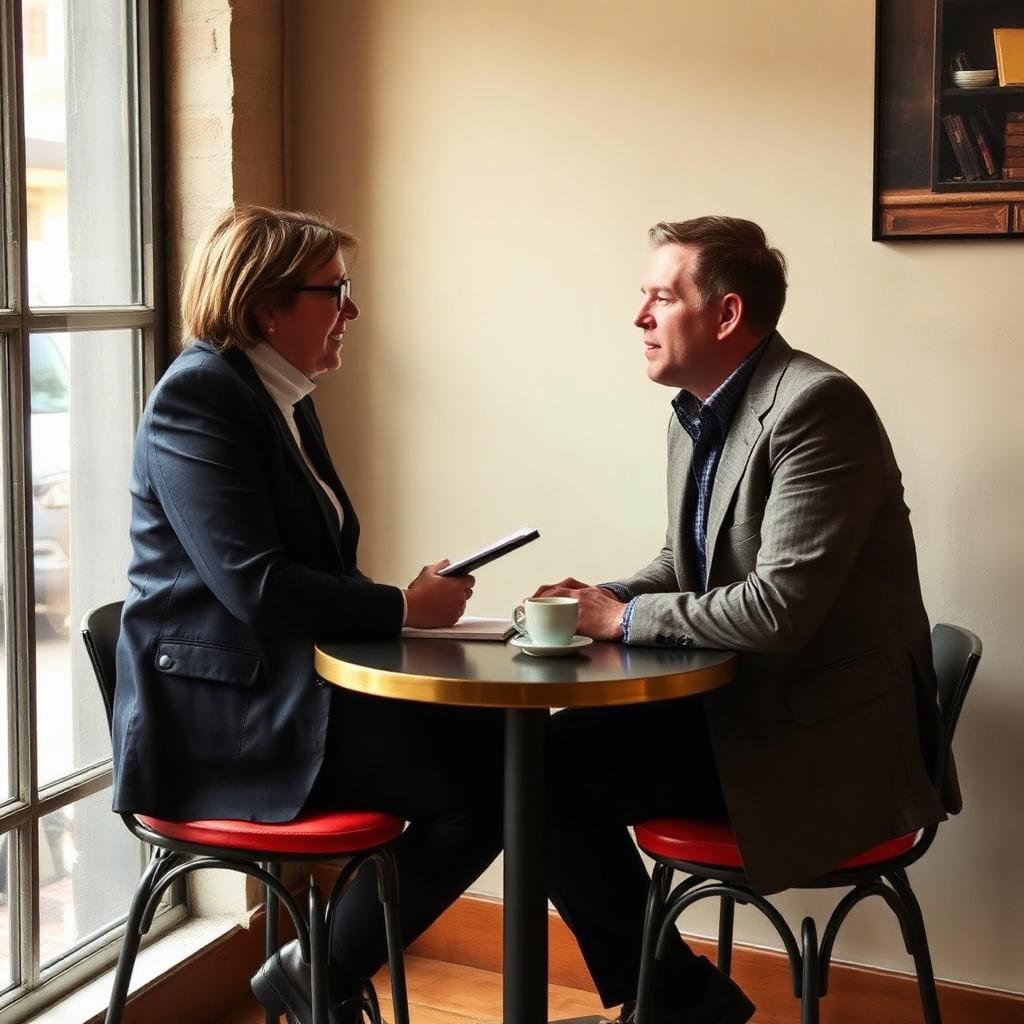
The line that got me the most email
In my Rolling Stone Culture Council piece on strategic sales, the sentence that got the most email back was the shortest one: *selling isn't telling*. Most sales training still teaches the opposite. Learn the deck. Rehearse the objections. Deliver the message. Close the loop.
That approach produces sellers who can talk. It does not produce sellers who can win the room. The difference is behavioural, & it shows up in the first ninety seconds of every meeting that matters.
What actually decides a sales call
Three things, in order, & none of them are the pitch itself:
1. Whether the seller can shut up long enough to hear the real problem. Most buyers say the surface problem in the first two minutes & the actual problem somewhere around minute nine — but only if the seller has not filled every gap with a slide.
2. Whether the seller can adapt on the spot. The deck they rehearsed was for the buyer they imagined. The buyer in the room is a different buyer. The seller who cannot pivot loses to the seller who can.
3. Whether the seller can ask the honest question. *Did I get that right?* *What would stop you buying this today?* *If I were you, what would I need to see next?* These are behavioural questions, not scripted ones — & they are what separate sales that close from sales that get 'let me think about it'.
None of that is a slide problem. All of it is a behaviour under pressure problem.
Know the room before the room knows you
Research is the cheapest edge in sales & one of the least used. Where the buyer studied. What they have written recently. What their business is measured on. What their last quarter looked like. The seller who walks in with that context does not open with the deck. They open with a specific, honest observation about the buyer's world — & the room shifts.
This is not a personality trick. It is preparation converted into behaviour. & it is one of the reasons the top 10% of sellers do not perform because they are naturally charismatic. They perform because they have rehearsed the opening minute against real research, not against a slide.
Ask open, listen literal, repeat back
The most under-used sales behaviour is verbatim playback. When the buyer says the thing that matters, the strong seller writes it down & says it back — not paraphrased, not softened. *You said the board has lost patience with the current tool. Have I got that right?*
Buyers do not get that experience often. It builds trust faster than any feature list, because it proves the seller was actually listening. It also gives the seller cover to check assumptions before the proposal is written — which is where most deals quietly die.
Do not leave without the next step named
The single most common failure I see in sales conversations is the polite exit. The meeting ends warmly. Nothing is agreed. The seller emails two days later hoping for momentum, & the deal starts to cool.
Every sales meeting should end with a specific, named next step: *I will send you a one-page summary on Thursday. Can we hold thirty minutes next Wednesday to walk through it?* If the buyer says no, the seller learns something real. If they say yes, the deal keeps moving. Either outcome is worth more than a warm handshake.
This is the moment that most training glosses over & most pressure lands on. It is a behaviour. It is rehearsable. & it decides more revenue than any slide in the deck.
Rejection is data, not defeat
When the buyer says no, the mediocre seller retreats politely. The strong seller stays in the room five more minutes & asks: *What made this a no? What would have made it a yes? Can I come back in six months when [X] has changed?*
That behaviour is uncomfortable. It is also the highest-return question in the sales conversation, because it converts a lost deal into intelligence about the next twenty. Almost no seller does it well without rehearsal — because in the moment, the reflex is to protect the relationship & leave.
The Last Mile applies to sales too
Everything in this piece is knowable in a book. The gap between knowing it & doing it — with a real buyer, under real time pressure, when the room is not going your way — is the same Last Mile of Leadership & Team Development that shows up in every other high-stakes profession.
Sales is a leadership behaviour. It is the behaviour of leading a buyer through a decision. & it is rehearsable in exactly the same way any other pressure moment is rehearsable — which is what the Situation Room™ exists for.
The takeaway
Selling is not telling. It is listening well, adapting cleanly, asking the honest question, & naming the next step before you leave the room. All four of those are behaviours. None of them are in the deck.
Your leaders have been trained. We install the behaviour. If your sales team is closing at a rate you know is beneath them, the gap is almost never the product or the pricing. It is the behaviour in the room.
Take the Human Edge Index™ for your top three sellers. Five minutes each. Free. It will tell you, before the next pipeline review, where the behaviour is actually leaking.
Frequently Asked Questions
Why does 'selling isn't telling' matter?
Because the highest-performing sales conversations are led by listening, not delivery. Most sales training still optimises for the pitch — the deck, the objections, the close. The behaviours that actually decide the room are hearing the real problem, adapting on the spot, & asking the honest question. Those are behaviours, not scripts.
What is the biggest behavioural mistake sellers make?
Ending the meeting warmly without naming a specific next step. Most deals cool between a polite exit & the follow-up email that comes two days later. Every meeting should close with a concrete, dated next action — even if the answer to it is no.
How do you get better at sales conversations?
Not by memorising more of the deck. By rehearsing the four behavioural moments that actually decide the meeting: the opening minute built on real research, the verbatim playback of what the buyer said, the honest question the seller is afraid to ask, & the named next step. The Situation Room™ rehearses these live.
How is this related to leadership?
Selling is a leadership behaviour — the behaviour of leading a buyer through a decision under time pressure. The same Last Mile that separates knowing leadership from doing it separates knowing the sales model from executing it in the room.
Ready to discover your profile?
Free 5-minute behavioral assessment. No sign-up required.