Nobody Practices Leadership. That Is the Whole Problem.
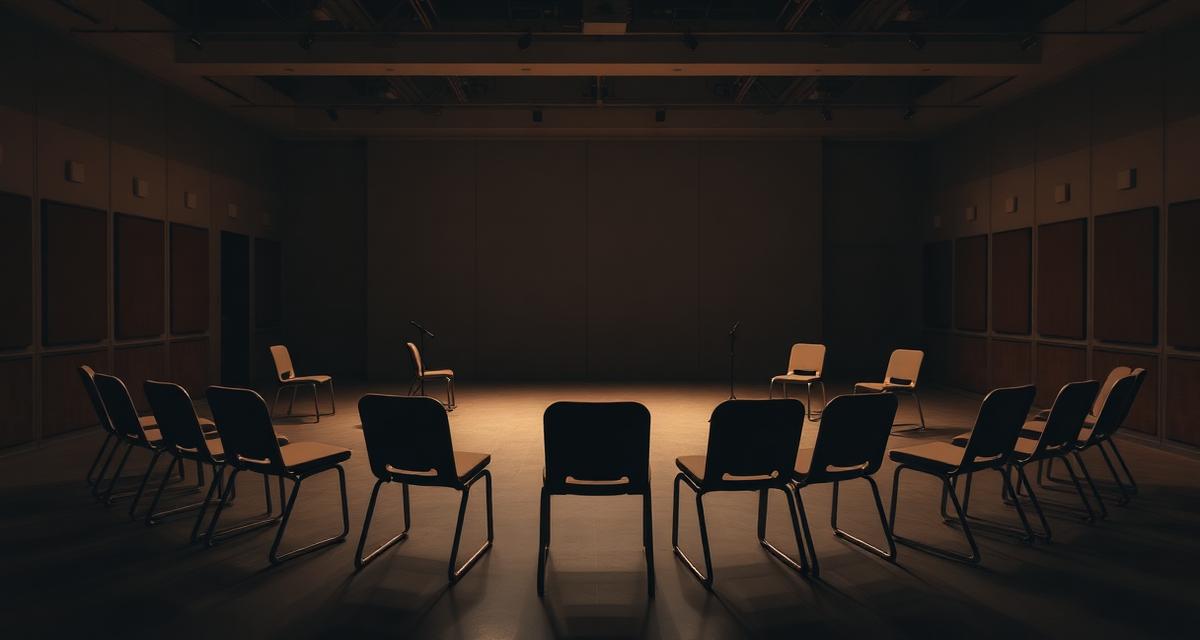
A pilot does not read about engine failure & then fly. They sit in a simulator & lose an engine, again & again, until the hands move before the fear does.
An athlete does not study the final. They rehearse it. A soldier does not learn the drill on the day.
Leadership is the exception. We explain it. We give people a model, a workshop, a book. Then we put them in front of a team, a board, a redundancy conversation, & hope.
Explaining is not developing
Almost every leadership program ends at the point of understanding. Everyone nods. Everyone can repeat the framework. Nobody has done anything yet.
Understanding a behavior & being able to perform it are separate things. The gap between them is where most leadership development quietly dies.
Ask a simple question of any program: what can this leader now do that they could not do before? If the honest answer is "describe it", the program did not develop anyone.
Blind spots do not announce themselves
People do not fail because they lack information. They fail in the places they cannot see.
The strong communicator who never checks whether the message landed. The decisive one who stops asking. The likeable one who avoids the honest conversation for a month too long.
None of that shows up in a workshop. It shows up when something matters. That is why we start with the Human Edge Index™ — to name the blind spot before it costs something.
Practice is the part everyone skips
Development that stops at the framework is a book recommendation with a budget line attached.
In the Situation Room™, leaders run the moment itself. The board challenges the number. The team hears bad news. The high performer asks for something you cannot give.
First rep, the default shows up. It gets named. Second rep, the leader tries the override. Third rep, under escalation, it either holds or it does not — & that is useful information either way.
Why this matters more now, not less
The more of the work that technology absorbs, the more the remaining value sits in judgment, trust, honesty & presence. Those are practiced skills, not downloaded ones.
A model can draft the message. It cannot be the person in the room when the message lands badly.
The test to apply to any program
Three questions. Does it find what this specific leader cannot see? Does it make them do the thing, not just hear about it? Can it show you the difference thirty days later?
If a program cannot answer all three, it is content. Useful content, sometimes. But nobody has been developed.
Pressure does not build leaders. It reveals what was already there. The work is to develop it before that happens.
Frequently Asked Questions
Why is practice missing from most leadership training?
Because explaining is cheaper & easier to schedule than rehearsal. Content can be delivered to a room of any size; practice requires scenarios, feedback & time. Most programs optimize for delivery, so they end at understanding rather than capability.
What does leadership practice actually look like?
Live scenarios run in the Situation Room™ — a board challenge, a difficult team conversation, a decision with missing information — attempted, scored on observable behavior, coached, then attempted again under escalation until the behavior holds.
How do you prove the behavior changed?
A Human Edge Index™ baseline at the start, behavior scores through the Situation Room™ reps, & a Day 30 re-score. The measure is what the leader can do, not what they attended.
Is this pressure training?
No. Pressure is the condition, not the product. It is how you find out whether the development worked. The work itself is diagnosing blind spots & developing the human skills underneath them.
Ready to discover your profile?
Free 5-minute behavioral assessment. No sign-up required.