The Coaching Habits That Actually Develop Performance
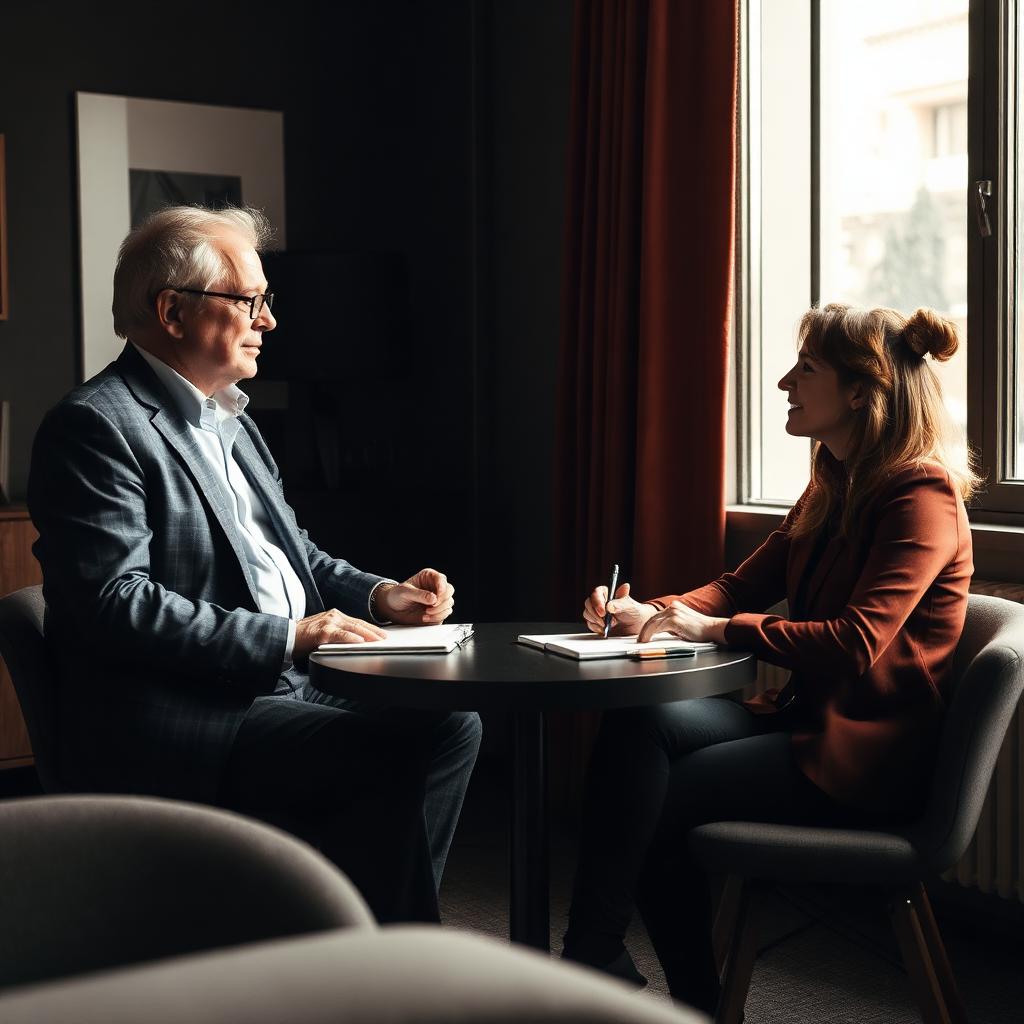
Coaching as a leadership behaviour
In my Rolling Stone Culture Council piece on the key ingredients of coaching, I argued that coaching is not a personality trait or a certification. It is a behaviour a senior leader performs — repeatedly, deliberately, under pressure — & the quality of that behaviour is one of the largest single drivers of team performance.
Everyone knows this. Almost nobody trains for it. Which is why the coaching most senior leaders deliver in practice is nowhere near the coaching they would describe if you asked them.
The three ingredients the article named
1. Develop performance through mentors & new challenges. Coaching that never stretches the person is just supervision. The senior leader's job is to widen the range of situations the coachee has been in, deliberately, before those situations arrive by accident.
2. Build team connectedness outside the work itself. Performance is not a function of skill alone. It is a function of who the team will fight for. Coaching without connectedness is a review; coaching with connectedness is a relationship — & it changes what the team is willing to attempt.
3. Reward honestly, praise specifically. Vague praise is worse than none. It teaches the team that recognition is theatre. Specific, timely, honest recognition is one of the most under-used tools a senior leader carries.
These three sound obvious. Watch a week of senior calendars & count how many of them actually get executed.
Why the coaching most leaders do falls short
Three patterns I see repeatedly:
None of these are character flaws. They are rehearsal gaps. The behaviour the coaching moment needs was never installed under pressure.
A working structure for a coaching conversation
Coaching that develops performance follows a shape. Not a script — a shape:
1. What is the situation you are actually in right now? Not what is on the plan. What is real.
2. What is the outcome you would call success? Concrete, observable, in the next two weeks.
3. What is the one behaviour that will move it? Not five. One.
4. What will you practise this week to install that behaviour? Where, with whom, under what pressure.
5. What do I owe you? Air cover, a door opened, a hard piece of feedback, a defence in a room you are not in.
Ten minutes done well beats forty minutes done vaguely. & it is not the questions that make it work. It is the leader's behaviour underneath them — presence, patience, the willingness to say the hard thing without softening it into uselessness.
Why 'safe' feedback is unkind feedback
The most common failure mode in senior coaching is feedback engineered to protect the leader's comfort rather than develop the coachee's performance. It sounds like coaching. It reads like coaching in a transcript. It fails the only test that matters: did the person walk out with a specific behaviour to change?
The honest sentence, delivered with care, is the currency. Almost every senior leader can name a coach who said the sentence that changed the direction of their career. Almost none of them remember the sentence that was carefully hedged.
The Last Mile applies here too
Everything in this piece is knowable in a book. What is missing in most senior teams is not knowledge of coaching. It is rehearsed behaviour under pressure — the ability to deliver the honest sentence when the coachee is defensive, to hold silence when the room wants to fill it, to praise specifically when the reflex is to move on to the next agenda item.
That is the Last Mile of Leadership & Team Development. Coaching lives inside it. And, like every other behaviour we install, it becomes reliable through rehearsal — not through another article.
The takeaway
Coaching is not a soft skill. It is a compounding one. Done well & repeatedly, it produces a team that can operate at levels the leader never has to be in the room for. Done poorly, it consumes calendar & produces nothing measurable.
Your leaders have been trained. We install the behaviour. If you want to know how your coaching behaviour actually reads to the people you coach, take the Human Edge Index™. Five minutes. Free.
Frequently Asked Questions
What separates coaching that develops performance from coaching that doesn't?
Three behaviours: deliberately stretching the coachee into new situations, building connectedness outside the work itself, & delivering specific, timely, honest recognition & feedback. Coaching that misses any of these tends to become status reporting rather than development.
What is a good structure for a coaching conversation?
Name the situation the person is actually in, define the outcome that would count as success, identify the single behaviour that will move it, agree what they will practise this week, & name what the leader owes them in return. Ten minutes done well beats forty minutes done vaguely.
Why does 'safe' feedback fail?
Because it protects the leader's comfort at the cost of the coachee's development. Feedback engineered to be non-threatening tends to be non-specific — & non-specific feedback produces no behaviour change. The honest sentence delivered with care is the currency of real coaching.
How do you get better at coaching as a senior leader?
Not by reading more about it. By rehearsing the behaviours under pressure — holding silence when the room wants to fill it, delivering the honest sentence when the coachee is defensive, praising specifically when the reflex is to move on. That is what the Situation Room™ & the Human Edge Index™ are built for.
Ready to discover your profile?
Free 5-minute behavioral assessment. No sign-up required.